
Pride, power, and perseverance
By: Craig Dresang, CEO, YoloCares
For 30 million LGBTQ+ Americans, building a sense of pride is an act of survival. Pride month is not a frivolous affair or just a string of colorful parades and parties. It is a serious endeavor to give millions of people the permission they need to shed the shame and fear that often comes from feeling different.
It is a counterweight to systemic prejudice, judgement, and discrimination. Historically, LGBTQ+ people have been conditioned to feel different, abnormal, or wrong. Pride is a defiant refusal of this internalized shame. It replaces fear with self-worth and allows individuals to accept themselves fully. Despite the progress of recent years — gay rights, legalization of same-sex marriage, etc. — many people are still disowned by their families, denied employment opportunities, judged by and bared from communities of faith, and subject to acts of ridicule and violence.
The month of June provides a venue for LGBTQ+ people to build community. Pride events are designed to give marginalized individuals spaces where they can exist authentically without fear of judgement. Collectively, they are a powerful life-giving force that fosters a sense of belonging. That sense of community creates unity, and the unification of millions of voices equals power . . . a necessary ingredient for change.
Some people are quick to point out that the country has made huge strides in terms of accepting and even embracing LGBTQ+ folks. Yet, there is an undeniable link between LGBTQ+ victimization and disproportionate rates of suicide. According to The Trevor Project, a recent national survey regarding the mental health of young LGBTQ+ Americans, nearly 40 percent have seriously considered suicide in the past year. That percentage increases for LGBTQ+ people of color. More than one in ten young individuals from this group have in fact attempted suicide. More than half the people in this population wanted mental health care within the past year but were unable to get it. Half of those surveyed experienced bullying within the last 12 months. And the overwhelming majority of those surveyed (90%) said their well-being was negatively impacted because of the recent political environment.
The only way LGBTQ+ Americans can, not just survive, but thrive, is to create community, to find ways to celebrate the contributions they have made to society and persevere regardless of backlash. Pride is a declaration of existence and resilience. Afterall, there are more LGBTQ+ Americans than there are people in the state of Florida or New York. And according to economists, the LGBTQ+ community generates $1.4 trillion to the U.S. economy.
The world would be a much different, and perhaps darker, place without the contributions of LGBTQ+ people throughout the ages. They have been leaders in medicine, science, politics and the arts. Just a tiny smattering of these individuals include:
- Alan Turing, a brilliant British mathematician and logician, is widely considered the father of modern computer science and artificial intelligence. His pivotal work at Bletchley Park cracking the Nazi Enigma code saved millions of lives and shortened World War II. He was also a victim of mid-20th Century attitudes to homosexuality and in 1952 was arrested because being homosexual was illegal in Britain at this time. In 2013 he was pardoned for this ‘crime’, and in 2017 the government agreed to officially pardon men accused of ‘crimes’ like this, meaning they will no longer have a criminal record. This pardoning has come to be known as the Alan Turing law. In 2019 Turing was named the most iconic figure of the 20th Century and his face now appears on the £50 note.
- Alan Hart was a physician who studied and treated tuberculosis, notably developing the X-ray technique to identify cases, which saved countless lives. He also raised funds for TB research and for TB patients who couldn’t afford treatment. Hart was also a novelist on the side. He was assigned female at birth and became one of the first known people to have gender-reassignment surgery, when he had a hysterectomy in 1917. He lived the rest of his life as a man.
- Chevalier d’Éon was a French diplomat and soldier who fought in the Seven Years’ War, spying for France primarily from England. Known for their androgynous appearance, the Chevalier initially presented as a man in public but would, later, live the rest of their life as a woman. During their time in London, a betting pool at the stock exchange speculated on their true sex. As such, the Chevalier is one of the first recorded transgender people in modern European history.
- Rachel Carson was an ecologist, marine biologist and writer. She’s most famous for her 1962 book “Silent Spring,” for which she thoroughly researched and described the harm humans do to the environment by using pesticides indiscriminately. It was a catalyst for the environmental movement, which led to the formation of the Environmental Protection Agency.
- Isaac Newton is most famous for developing the theory of gravity and his laws of motion. Living in the 1600s and 1700s, he certainly never declared his orientation publicly. But there has been endless speculation about it in the 21st century. Newton never married and never seemed to have romantic relationships. A friend evidently once tried to set him up with a woman, and this event caused him extreme stress, possibly being a trigger for his nervous breakdown in 1693.
- Oscar Wilde is a celebrated Irish poet and playwright. His biting wit and masterful literature helped dismantle Victorian-era moral hypocrisies.
- Leonardo da Vinci, the quintessential Renaissance man, made unparalleled contributions to painting, anatomy, and engineering.
- Emily Dickinson, a Massachusetts native, wrote poems that were unconventional, challenging restraints and conventions in structure and format. It wasn’t until after she died in 1886 when her sister found her collection of poems did Dickinson’s work gain fame and acclaim. Many of her poems were dedicated to her sister-in-law Susan Gilbert, and this in addition to their many letters exchanged to each other has led scholars and observers to believe that the two had a romantic relationship. Dickinson never married.
- Georgia O’Keefewas a pioneering American artist who is best known for her large paintings of flowers, landscapes and bones. While O’Keefe’s sexuality was often a subject of speculation, her assertive independence and unconventional lifestyle contributed to her status as a symbol of female empowerment. O’Keefe’s work and life continue to inspire conversations about gender, sexuality and artistic expression, making her an important figure in both art history and LGBTQ+ culture.
- Michelangelo was a defining figure of the High Renaissance. His breathtaking sculptures (such as David) and ceiling frescoes (the Sistine Chapel) revolutionized Western art.
- Willem Arondéus was an openly gay Dutch artist and resistance fighter. He actively fought against the Nazis by leading a bombing of the Amsterdam public records office to destroy records used to identify and persecute Dutch Jews.
- Walt Whitman’s most well-known work was “Leaves of Grass,” a poetry collection that remains influential and known to this day in literature. At the time of its publication, however, some critics targeted its content for its overt sexuality.
- Bayard Rustin: A gay African American civil rights leader, Rustin was the chief organizer of the 1963 March on Washington. His strategic thinking profoundly shaped the nonviolent ethos of the American Civil Rights Movement.
Since its founding in the 1970s, YoloCares has committed itself to creating safe space for LGBTQ+ patients, families, and staff. Culturally sensitive and individualized care is core to the agency’s mission, and that care and support are provided equally to everyone.
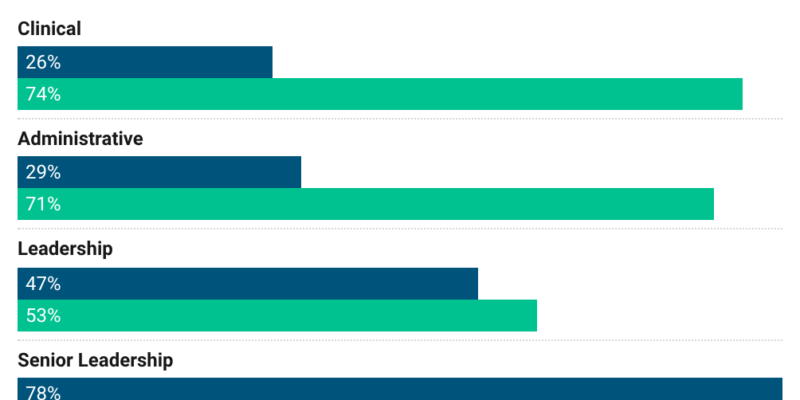
A significant number of YoloCares’ staff belong to the LGBTQ+ community. Their participation in the organization’s mission has contributed to patient-care quality scores that rank in the top one percent nationally. Moreover, their presence and leadership have also resulted in YoloCares being nationally ranked as a Best Place to Work. During the month of June, and beyond, YoloCares recognizes and celebrates the countless ways members of the LGBTQ+ community have improved the quality of life for millions of Americans.
For more information about YoloCares, visit us at www.yolocares.org.